
Telecom & Wireless Testing: Making Communication More Reliable, Conforming, and High-Performance
In today’s world of the digital age and high-speed internet, telecom and wireless technologies are the main medium of communication. Be it smartphones, IoT devices, routers, base stations, smart meters, and other devices—it all relies on smooth and secure wireless connection.
Here, Telecom & Wireless testing assumes critical importance, as it guarantees that a device conforms to regulations, works correctly, and maximizes connectivity to end users.
What is telecom & wireless testing, its importance, various testing techniques adopted, testing standards adopted, and how testing laboratories aid in ensuring regulations are met are discussed in this blog.
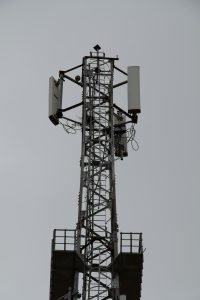
What is Telecom & Wireless Testing?
Telecom & Wireless Testing refers to a set of technical tests conducted on wireless and telecom equipment to evaluate:
- Radio frequency (RF) performance
- Signal strength and stability
- Electromagnetic compatibility (EMC)
- Safety and regulatory compliance
- Interference with other devices
These tests ensure that a product works as intended and does not cause harmful interference to other wireless systems operating in the same spectrum.
Why is Telecom & Wireless Testing Important?
Wireless devices operate in licensed and unlicensed frequency bands, which are tightly regulated by authorities. Without proper testing, devices can cause interference, performance issues, or even safety risks.
Key reasons why telecom & wireless testing is essential:
-
✅ Regulatory compliance (WPC, TEC, BIS, FCC, CE, etc.)
-
✅ Smooth network performance
-
✅ Reduced signal interference
-
✅ Improved product reliability
-
✅ Faster market approval
-
✅ Enhanced customer trust
In short, testing ensures your product is legal, reliable, and market-ready.
Types of Telecom & Wireless Testing
Telecom and wireless testing covers multiple areas depending on the product type and application.
1. RF (Radio Frequency) Testing
RF testing evaluates how effectively a device transmits and receives radio signals.
Key RF parameters tested:
- Output power
- Frequency accuracy
- Bandwidth
- Spurious emissions
- Receiver sensitivity
RF testing is crucial for products like:
- Wi-Fi devices
- Bluetooth products
- Cellular modules
- Wireless routers
- IoT devices
2. EMC (Electromagnetic Compatibility) Testing
EMC testing ensures that a device does not emit excessive electromagnetic interference and is immune to external interference.
It includes:
- Conducted emissions
- Radiated emissions
- Immunity testing
This is especially important for telecom equipment installed in industrial or commercial environments.
3. Wireless Protocol Testing
This testing verifies that devices comply with specific wireless standards such as:
- Wi-Fi (IEEE 802.11)
- Bluetooth & BLE
- Zigbee
- LoRa
- NFC
- Cellular (2G, 3G, 4G, LTE, 5G)
It ensures interoperability, performance consistency, and stable communication.
4. Safety Testing
Telecom devices must also meet electrical and user safety requirements. Safety testing ensures protection against:
- Electric shock
- Overheating
- Fire hazards
- Mechanical risks
5. Regulatory & Certification Testing
Different countries have different regulatory bodies. In India, telecom & wireless testing is required for approvals such as:
- WPC ETA Certification
- TEC Certification
- BIS Registration
- NABL-accredited test reports
Without these approvals, products cannot be legally sold or imported.
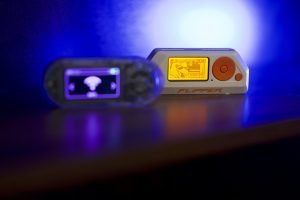
Telecom & Wireless Testing Standards
Some commonly followed standards include:
- ETSI standards
- IEEE standards
- IEC standards
- CISPR standards
- TEC Essential Requirements (ERs)
- WPC guidelines for RF compliance
Testing as per these standards ensures global acceptance and smooth certification.
Industries That Require Telecom & Wireless Testing
Telecom & wireless testing is essential across multiple industries, including:
- Consumer electronics
- Telecom equipment manufacturers
- IoT & smart devices
- Automotive electronics
- Medical devices
- Industrial automation
- Smart energy meters
- Wearables
If your product uses any form of wireless communication, testing is not optional—it’s mandatory.
Common Challenges Without Proper Testing
Skipping or delaying telecom testing can lead to:
- ❌ Regulatory rejection
- ❌ Product recalls
- ❌ Market launch delays
- ❌ Interference complaints
- ❌ Legal penalties
- ❌ Brand reputation damage
Early testing helps avoid these costly mistakes.
How an Accredited Testing Lab Helps?
A professional NABL-accredited testing laboratory provides:
- Accurate and reliable test reports
- Compliance with national & international standards
- Faster certification timelines
- Expert technical guidance
- End-to-end support for approvals
Working with an experienced lab simplifies the entire compliance journey.
How Pride Testing Can Help You?
At Pride Testing, we offer comprehensive telecom & wireless testing services under one roof. Our expert team supports manufacturers, importers, and startups with:
- RF & wireless testing
- EMC testing
- WPC ETA support
- TEC certification assistance
- NABL-accredited test reports
- Complete regulatory guidance
We focus on accuracy, transparency, and faster turnaround, helping you bring compliant products to market with confidence.
Conclusion
Telecom & wireless testing is a major step in the modern world that is connected in every sense. It measures that the device tested is safe, compliant, unentangled, and performance-driven. Are you planning on introducing a new product or importing wireless devices? Then, you are on the right place!
If you need a trusted test partner, Pride Testing is here to support you every step of the way.
📞 Contact us today to get started with telecom & wireless testing the right way.